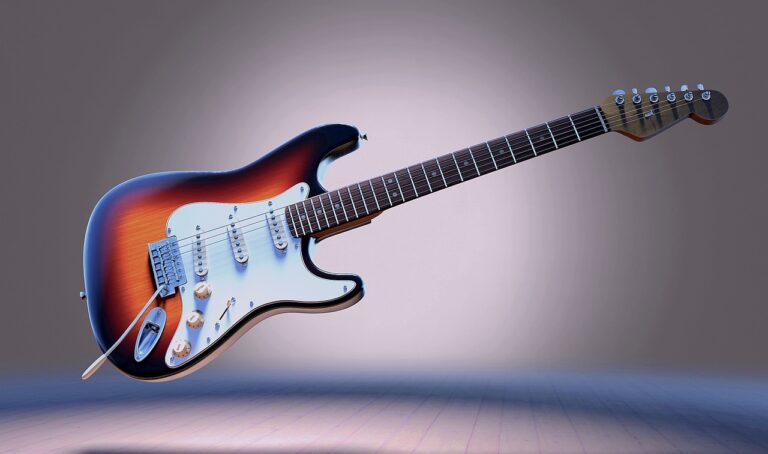
Loud guitars, bigger choruses, and a backbeat that hits like a door slam: hard rock music has stayed popular because it turns raw energy into songs people can actually sing. It is both a sound and a cultural attitude, shaped by technology, touring, and changing ideas about what “heavy” means.
This article explains what defines hard rock music, how it developed, and why it still matters today, using clear contrasts and concrete details rather than hype.
What hard rock is, in musical terms
Hard rock music sits between blues-based rock and heavier metal styles. Its core ingredients are distorted electric guitar riffs, a strong drum groove (often emphasizing the snare on beats 2 and 4), and vocals that are forceful but usually melodic. Compared with classic rock, hard rock typically uses more gain, thicker power chords, and a punchier mix that places guitars and drums front and center.
Many hallmark riffs rely on minor pentatonic scales and blues phrasing, but played with increased volume and sustain. Tempos commonly fall in a midrange that supports head-nodding grooves rather than speed: fast enough to feel urgent, slow enough to feel heavy. The “riff” is often the song’s identity, repeated through verses and returns, while choruses expand with wider vocal melodies and layered guitars.
Production choices matter as much as writing. Amplifier distortion, close-miked drums, and stereo guitar tracking can make a band sound massive even with four members. As recording moved from simple live capture to multi-track studio building, hard rock recordings became tighter and more sculpted, with prominent kick drum and controlled low end that translates well on radio and in arenas.
How the genre formed and changed across eras
Hard rock emerged as rock bands pushed blues and early rock-and-roll into louder, heavier territory in the late 1960s and early 1970s. The move from small clubs to larger halls helped drive this shift, as did equipment improvements: more powerful amplifiers, effects pedals, and sturdier drum hardware. The result was a style built for impact, where a single guitar figure could fill a big space.
By the mid-1970s, hard rock had become a dominant mainstream force, with bands writing riffs designed for wide audiences and choruses made for communal chanting. The genre’s commercial peak expanded further in the 1980s, when arena touring and radio-friendly production encouraged bright, polished guitar tones and hook-forward songwriting. A typical hard rock single from that era often follows a predictable architecture: intro riff, verse, pre-chorus lift, big chorus, guitar solo, final chorus.
In the 1990s and beyond, hard rock music absorbed influences from grunge, alternative rock, and later metal-adjacent styles, often shifting toward darker lyrical themes and more down-tuned guitars. The genre kept its emphasis on riffs and big dynamics, but the polish of the 1980s gave way to drier mixes, heavier low end, and a more “live” feeling in vocals and drums. This ability to adapt helps explain why hard rock remains a touring staple even as trends change.
Why hard rock still resonates
First, hard rock music is built for physical response. The combination of distorted guitars and steady, emphatic drums creates a clear rhythmic grid that crowds can move to. Even listeners who do not focus on lyrics can follow the structure: riffs signal the verse, choruses open up, and solos provide a burst of instrumental drama before returning to the hook.
Second, the genre balances intensity with accessibility. Unlike more extreme styles that prioritize speed, complexity, or harsh vocals, hard rock often keeps the vocal line central and memorable. That makes it adaptable across contexts: it can be aggressive enough for a workout playlist but catchy enough for sports arenas, radio rotation, or film trailers. The best songs feel like a pressure release without becoming chaotic.
Third, hard rock functions as a bridge between musicianship and pop songwriting. Guitar tone, riff craft, and drum feel are core skills, yet songs still rely on clear hooks and repetition. This balance has kept hard rock relevant to new players learning instruments, to listeners who want energetic music without losing melody, and to live venues where a straightforward, high-impact set can win over mixed crowds.
Conclusion
Hard rock music endures because it combines strong riffs, steady grooves, and singable hooks with a sound designed to feel larger than life, whether through a pair of headphones or in a packed arena.